
Salalah

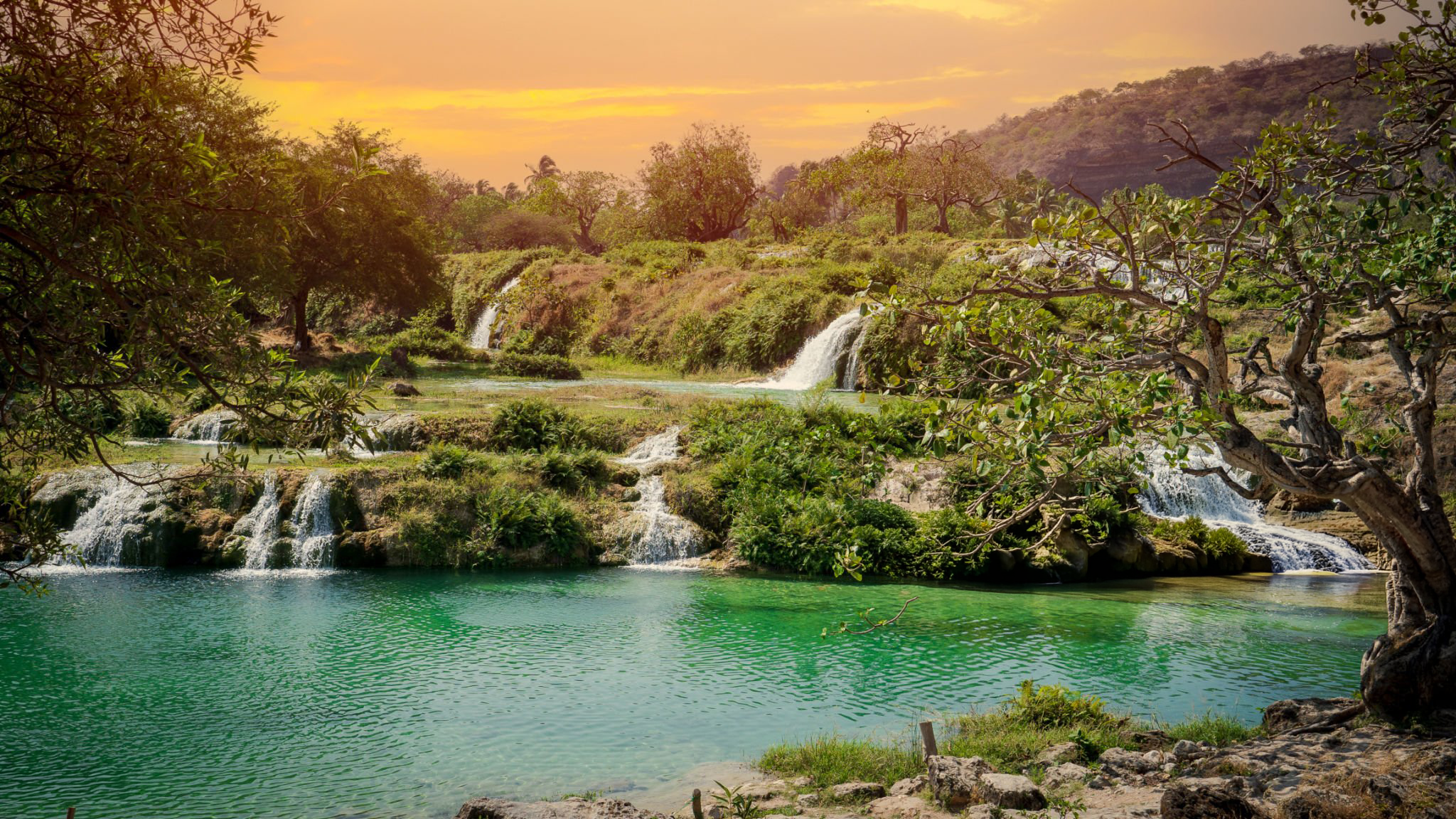
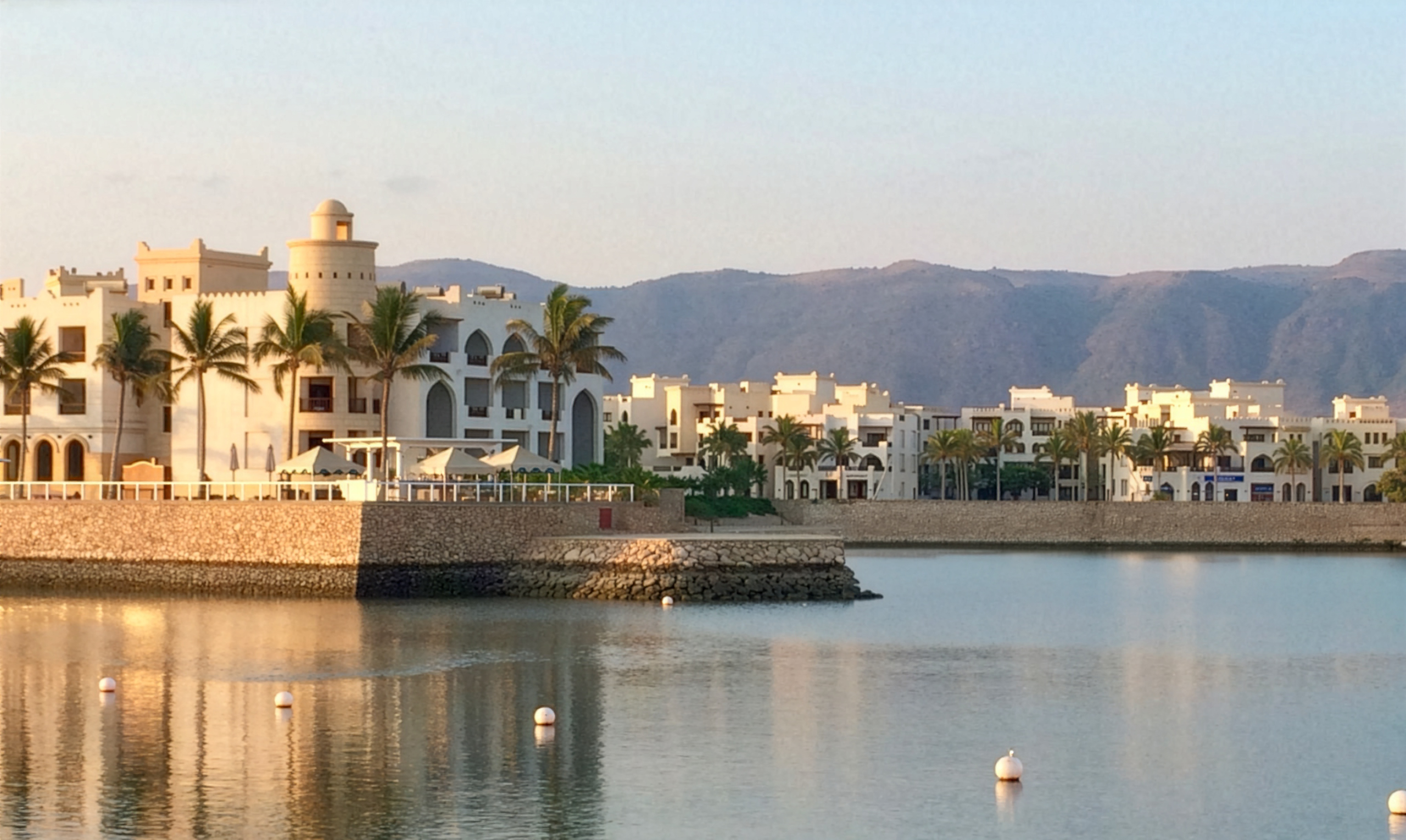
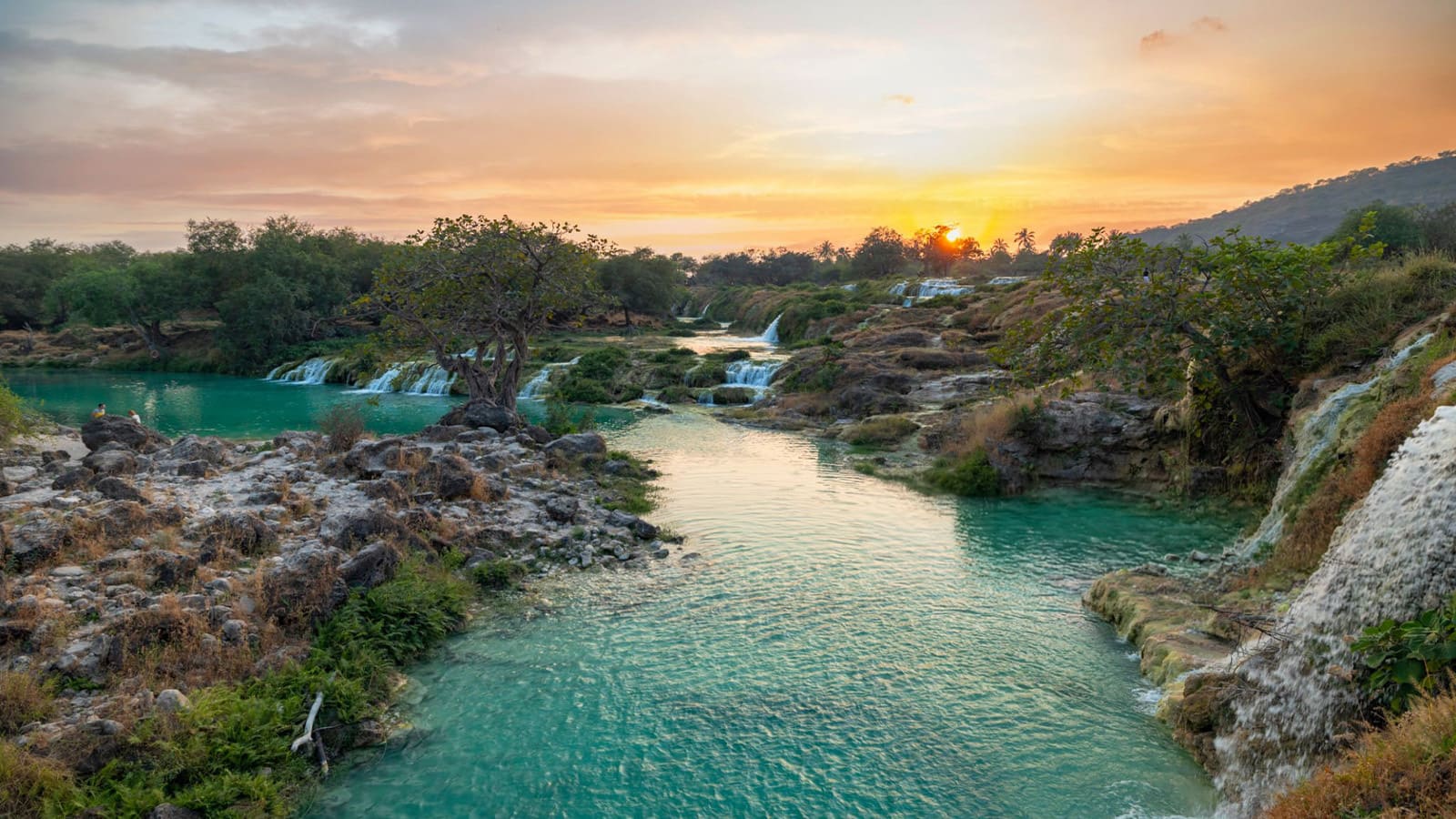
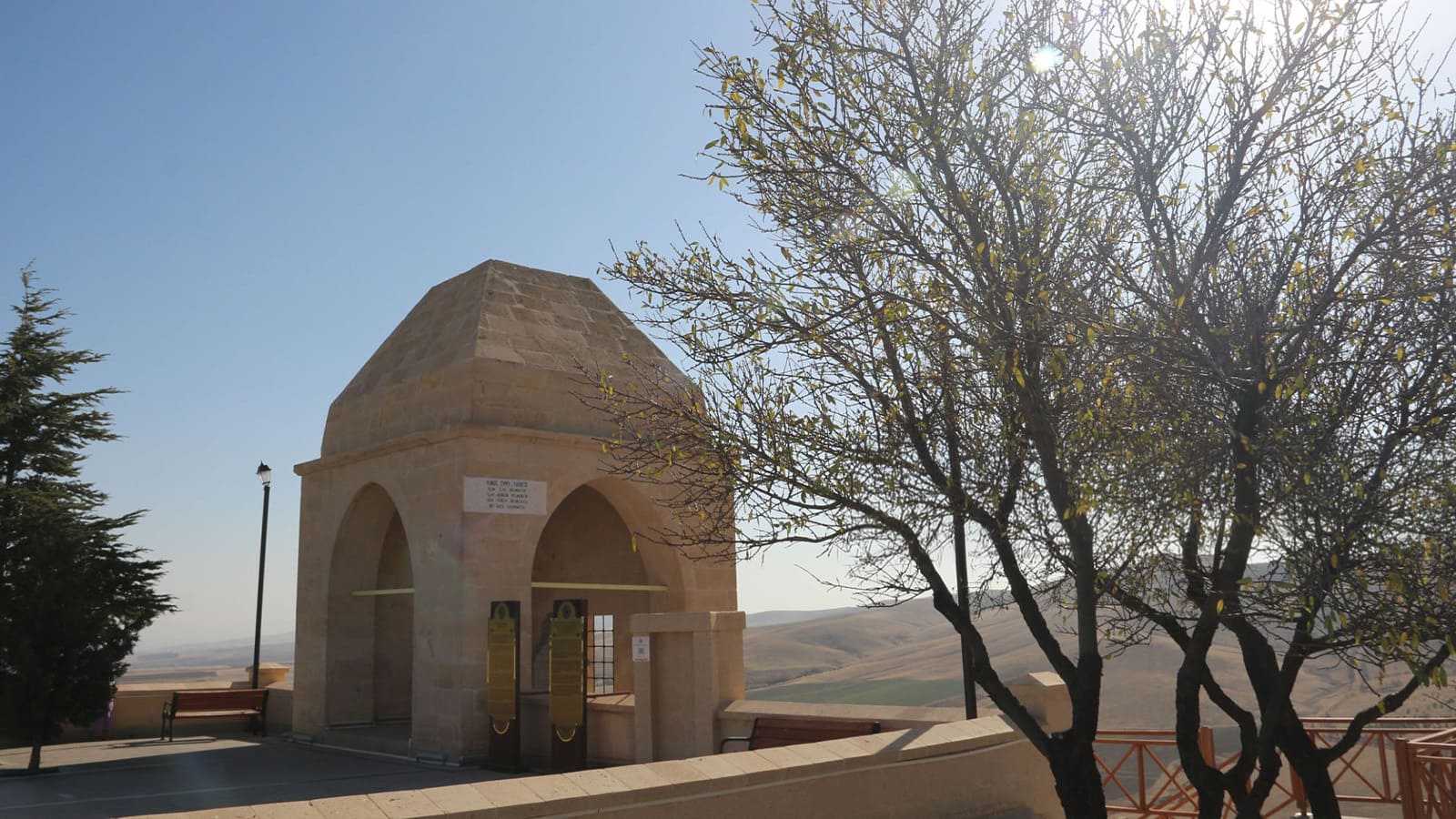
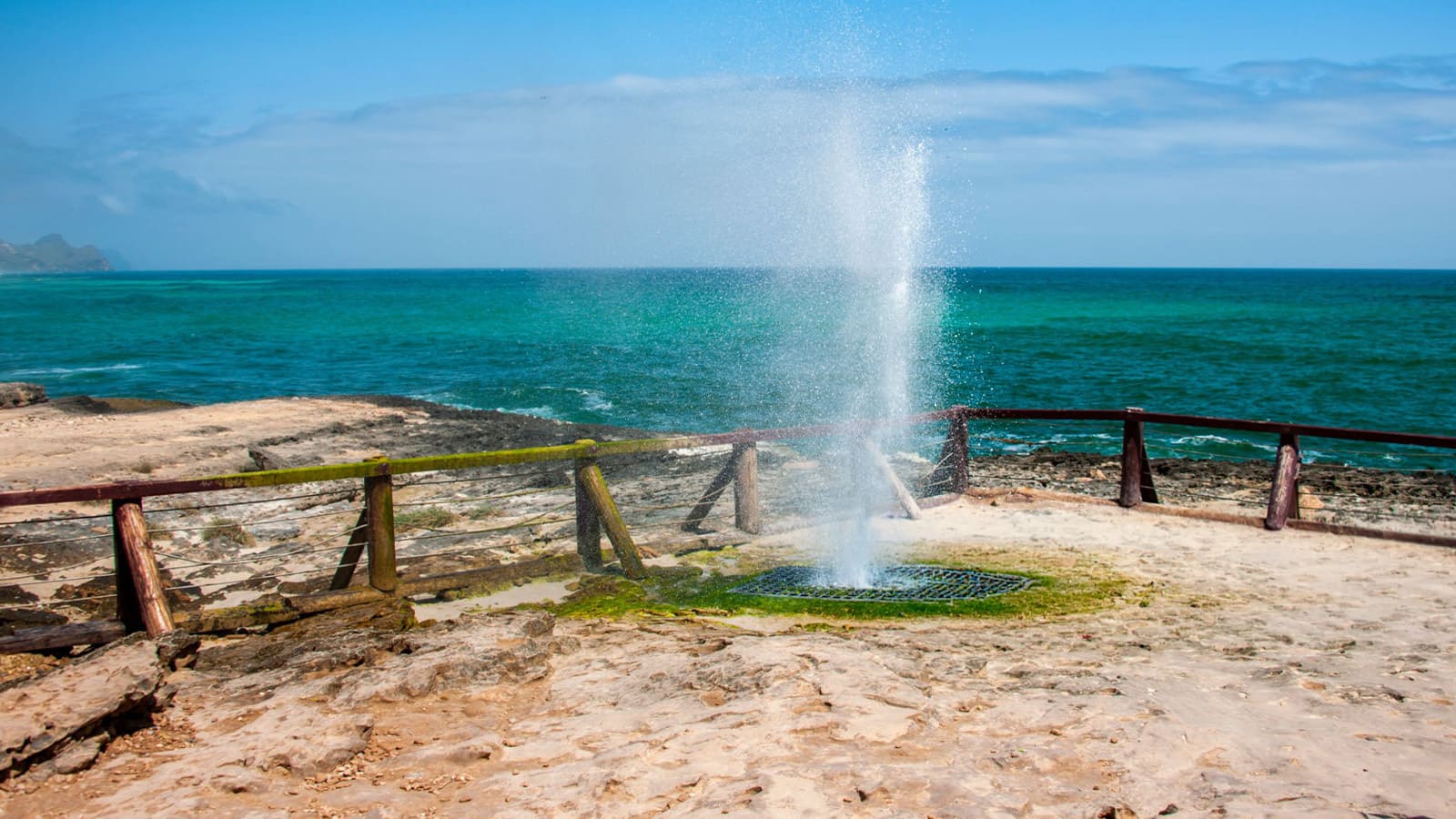
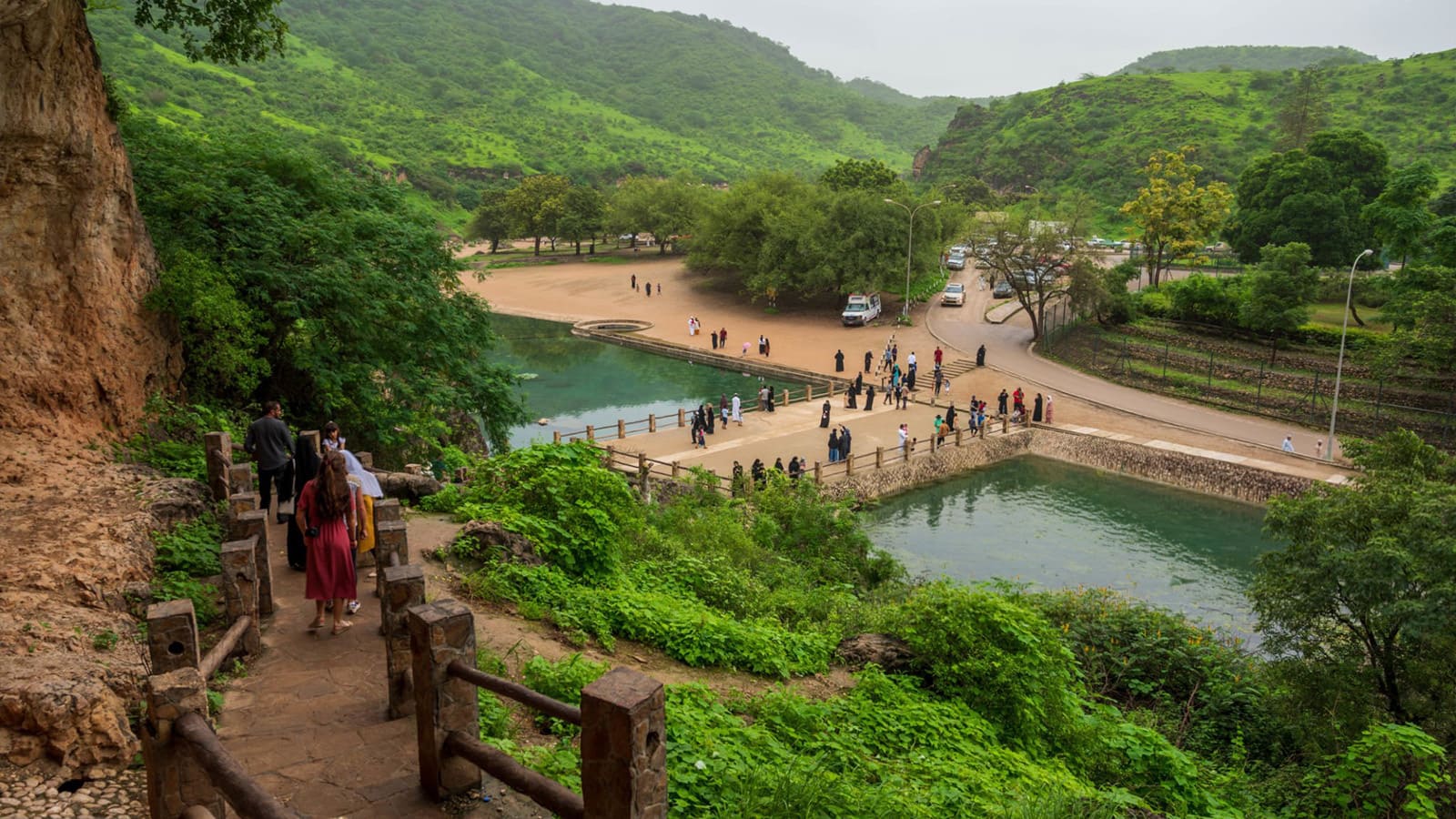
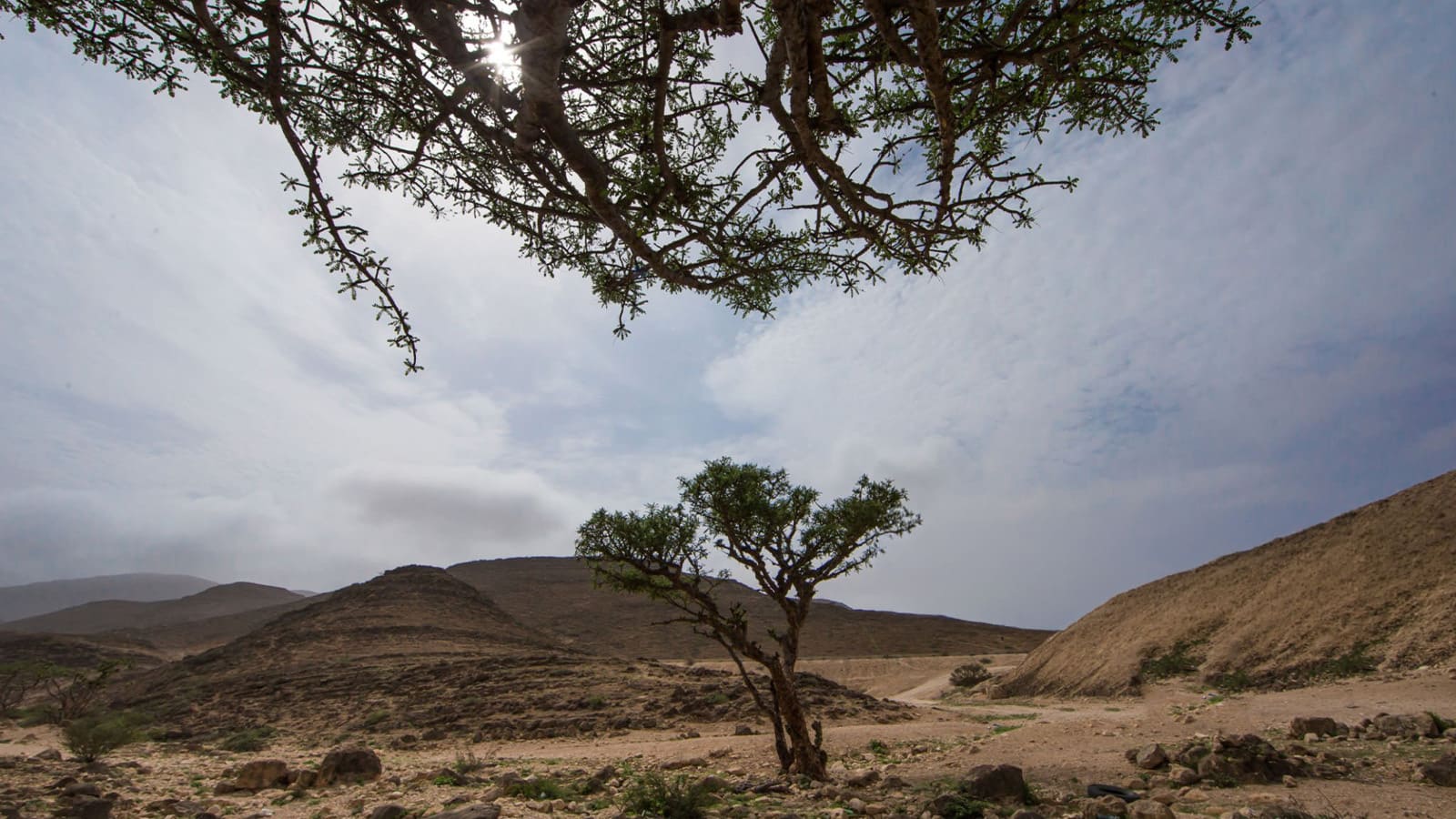
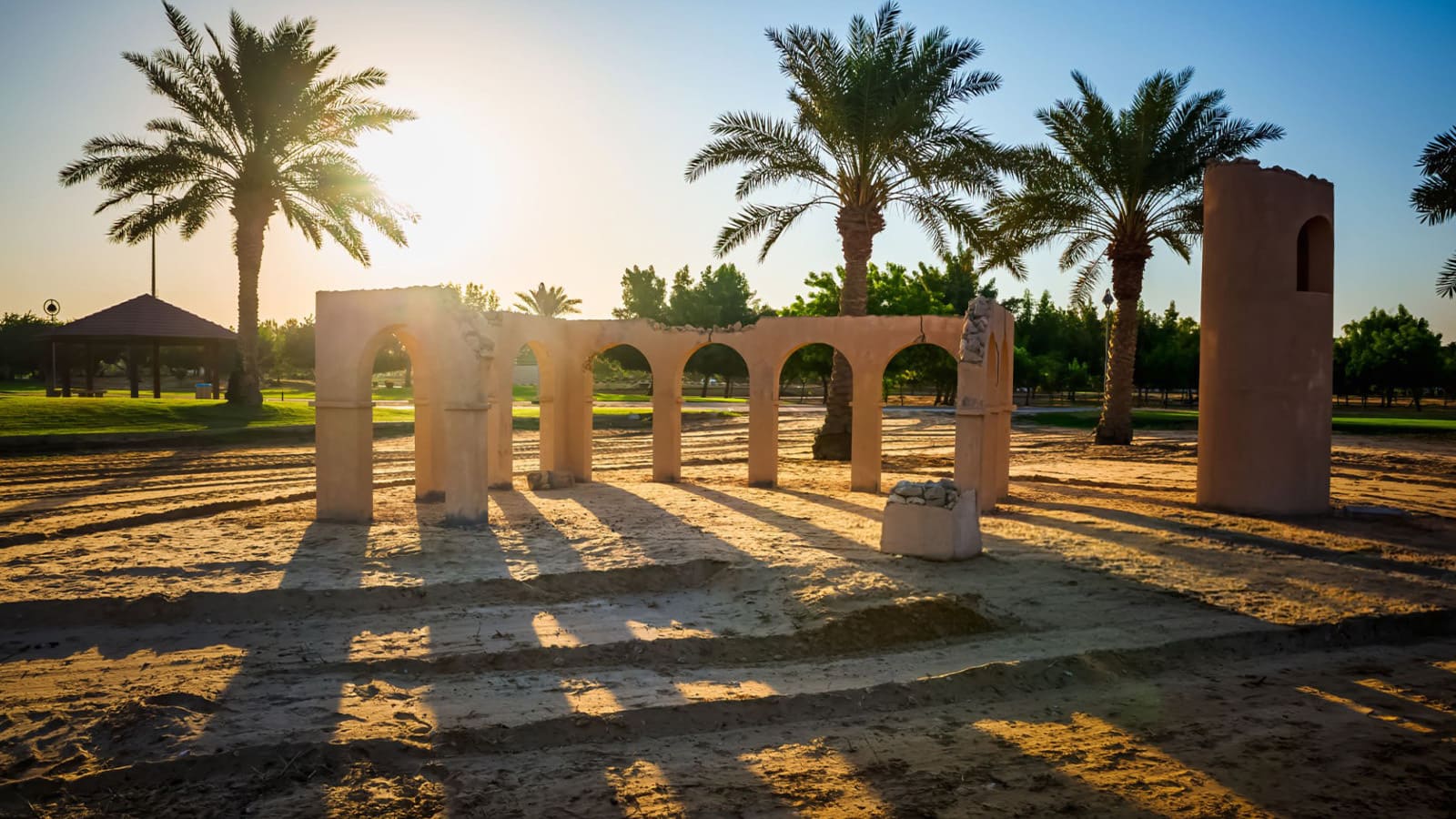
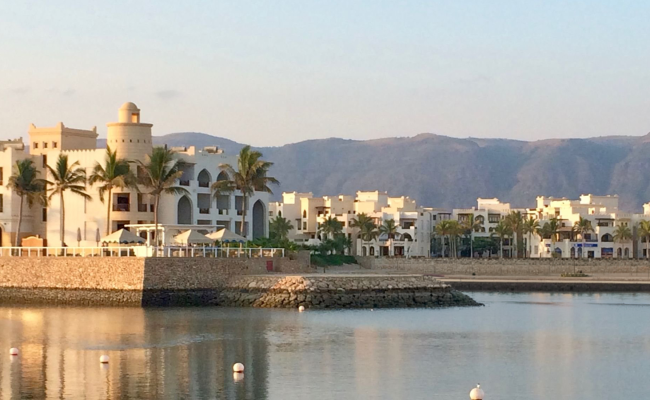
Salalah, the capital of Oman’s southernmost Dhofar Governorate, is one of the Arab world’s most extraordinary and surprising destinations — a city unlike anything else in the Gulf or the Middle East. While the surrounding region bakes under summer heat, Salalah transforms every year between June and September into a lush, mist-covered tropical paradise, blanketed by the Indian Ocean monsoon known locally as the Khareef. Coconut palms sway in cool breezes, waterfalls cascade from emerald mountains, and the landscape turns a vivid, improbable green that feels more like Kerala than Arabia. Beyond the Khareef, Salalah is a city steeped in ancient history — it is the legendary birthplace of the Prophet Job (Nabi Ayyub), the departure point for the ancient Frankincense Trade Route (a UNESCO World Heritage Site), and home to pristine, untouched beaches that stretch for miles in both directions. With its deeply authentic Omani hospitality, spectacular natural scenery, rich archaeological heritage, and an atmosphere that feels refreshingly unhurried and genuine, Salalah is a destination that leaves every visitor quietly astonished.

Best Time to Visit

Winter (November – February) ★ BEST SEASON
Weather: 20–28°C / 68–82°F
Highlights:
  • Perfect warm and dry weather — ideal for beaches and outdoor exploration
  • Crystal-clear seas for snorkelling and diving along the coast
  • Turtle nesting season — a rare and magical natural spectacle
Perfect For: Beach lovers, families, divers, nature enthusiasts, first-time visitors
Spring (March – May)
Weather: 25–33°C / 77–91°F
Highlights:
  • Warm and dry with long sunny days — great for archaeological sites
  • Frankincense tree resin harvesting at its most active
  • Quieter tourist season with good value on accommodation
Perfect For: History lovers, cultural explorers, budget travelers
Autumn (Khareef / Monsoon (June – September) ★ UNIQUE SEASON
Weather: 20–27°C / 68–81°F
Highlights:
  • Arabia's only monsoon — Salalah transforms into a lush green paradise
  • Waterfalls, mist, and flowing wadis unlike anything else in the Gulf
  • Peak domestic tourism season — book early, especially July and August
Perfect For: Nature lovers, Gulf residents, families escaping summer heat, photographers
Autumn (October – November)
Weather: 24–32°C / 75–90°F
Highlights:
  • Post-Khareef — landscape still green and beautiful as it dries
  • Quietest and most affordable time to visit
  • Ideal for long beach walks, souq visits, and unhurried sightseeing
Perfect For: Solo travelers, couples, budget travelers, off-season explorers

Questions & Answer

We’re committed to offering more than just products—we provide exceptional experiences.

Citizens of GCC countries do not need a visa to enter Oman. Many other Arab nationalities and international visitors can obtain an e-Visa online prior to travel, or a visa on arrival. We handle full visa guidance for all our travelers and will confirm your specific requirements well in advance of your trip.


The Khareef is Salalah's annual monsoon season, running from June to September, driven by moisture from the Indian Ocean. It is the only place in the entire Arabian Peninsula that experiences a true monsoon — transforming the landscape from desert browns into vivid tropical green, with waterfalls, mist-covered mountains, and flowing rivers. It is an experience completely unlike anything else in the Arab world, which is why hundreds of thousands of Gulf visitors travel to Salalah every summer specifically to see it.

Salalah is one of the most family-friendly destinations in the region — it is safe, clean, culturally conservative, and offers a remarkable variety of natural attractions that children and adults find equally captivating. From beach days and wadi walks to frankincense groves and archaeological parks, there is something meaningful for every age group. Oman is consistently ranked as one of the safest countries in the world.

The Omani Riyal (OMR) is the currency and is one of the highest-valued currencies in the world. Cards are accepted at hotels, larger restaurants, and supermarkets. However, smaller souqs, local markets, and some traditional establishments prefer cash. It is advisable to carry some Omani Rials, which can be exchanged at the airport or local exchange offices on arrival.

Salalah is entirely unlike any other destination in the Gulf — it has beaches that rival the Maldives, mountains that turn green in the summer monsoon, a UNESCO frankincense heritage trail, sacred religious sites, and a pace of life that is genuinely unhurried and authentic. It has not been over-commercialised, which means visitors experience real Omani culture, extraordinary natural beauty, and warm traditional hospitality that is increasingly rare in the modern Gulf.

Travel to learn in Salalah

Personal Finance & Independence - salalah
2028 10 Months Subscriptions
The Philosophy of Wealth & Financial Independence – Salalah
5 days / 4 Nights
  • Only 12 Seats
    Only 12 Seats available for this course
  • 150$ / Month
    12 Month Subscription To Unlock This Course